Corporate Event Management in Cape Town: How to Plan Events That Actually Land
Corporate events are changing. The global events industry is on track to exceed $2 trillion by 2032, driven by a demand for bespoke, experiential formats, according to Allied Market Research. Corporate event planning in Cape Town is changing rapidly as brands move away from large-scale gatherings in favour of smaller, high-impact formats.
At Hook, Line & Sinker (HLS), we track this shift across multiple client campaigns. Brands now heavily favour small, strategic executive engagements. The focus has moved towards quality of interaction rather than quantity of attendees.
In South Africa, this evolution is particularly visible. Successful corporate event management in Cape Town is no longer about scale and flashiness. The most effective events target a specific outcome, such as earning media coverage, building executive positioning or driving meaningful stakeholder engagement.
At the same time, expectations have shifted. Brand managers are under increasing pressure to ensure that every event contributes to broader business and communications objectives. An event is no longer a standalone activity; it acts as a milestone within a larger narrative.
The real challenge is designing an event that delivers a specific, measurable outcome.
Why is Cape Town a strategic location for corporate events?
Cape Town is a premier destination for business events because it combines world-class infrastructure with high international appeal. The Mother City serves as one of South Africa’s main hubs for corporate engagement, particularly for brands operating in technology, finance and professional services.
The city offers excellent accessibility, robust business infrastructure and a strong global reputation. It attracts both local and international audiences, making it an ideal location for events that require a strong mix of media, clients and partners. The Cape Town & Western Cape Convention Bureau reports that the city hosts over 500 major conferences and events each year, alongside thousands of smaller corporate business gatherings.
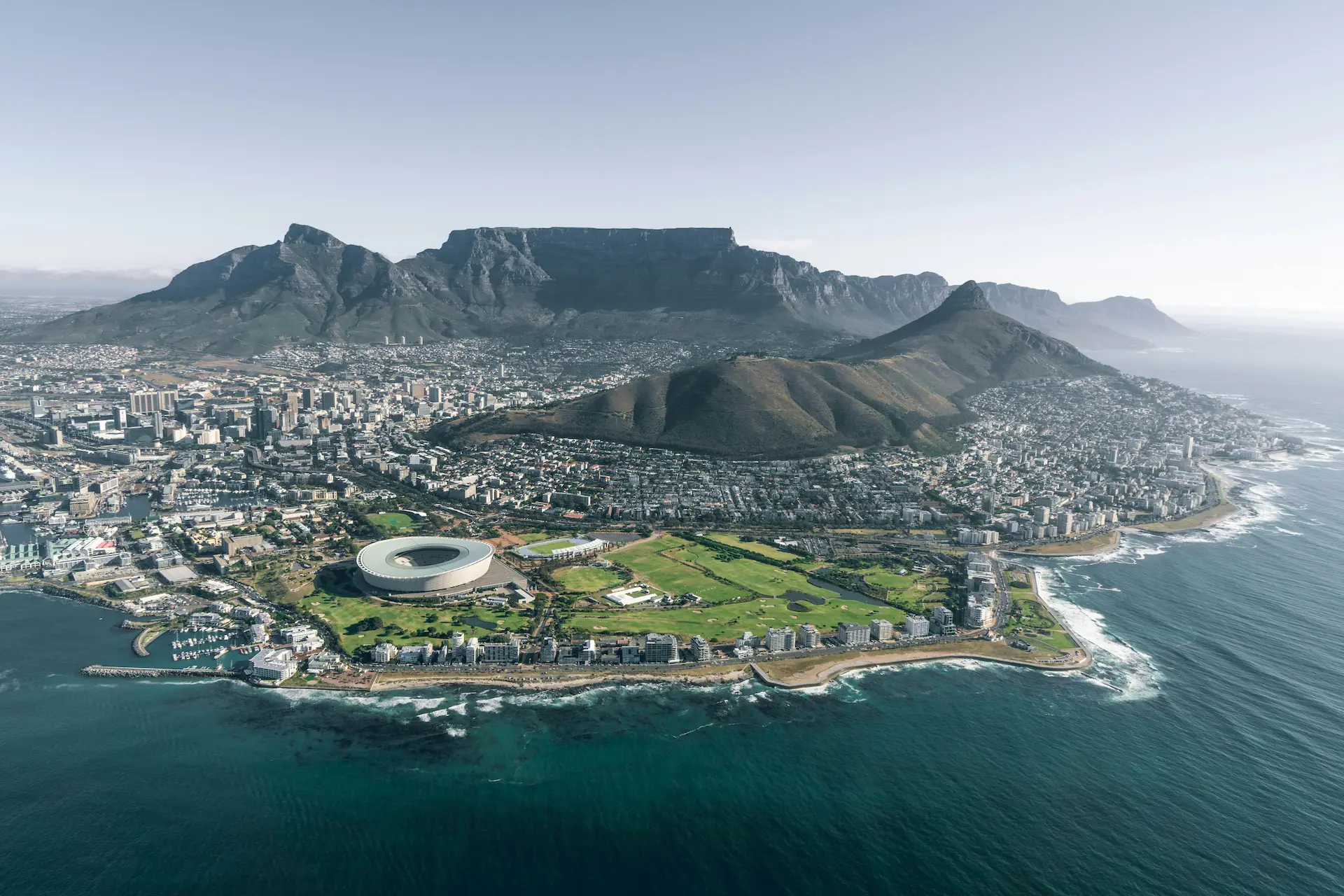
This level of activity reinforces Cape Town’s role as the continent’s business capital. It also creates an environment where expectations are higher. Attendees frequent a wide range of events, which means brands need to work harder to stand out.
The proximity of business districts, hotels and venues provides a practical advantage: tighter, more efficient event planning that is especially useful for executive-level events where timing and coordination matter more than scale.
Unlike larger event markets, Cape Town allows brands to create experiences that feel curated rather than crowded. Smaller events create space for real interaction, which is often where the value lies.
HOOK: How do you define success in corporate event planning?
Success in event planning begins by defining the outcome before booking venues or arranging catering. One of the most common mistakes in corporate event management is starting with the format instead of the objective. The venue is booked, the catering is confirmed and the guest list is built, but the purpose of the event remains unclear.
Before any of that happens, businesses must determine what success looks like.
Is the goal to secure media coverage, position an executive as a thought leader, strengthen relationships with key stakeholders or launch a new product or service?
Each of these outcomes requires a different approach. Research from EventMB shows that over 80% of event planners believe smaller, more targeted events drive stronger engagement than larger-scale formats.
In our experience working with clients in technology, corporate and professional services sectors, the most effective events are those that start with a clearly defined outcome. Media roundtables, for example, consistently outperform larger launch events when the objective is to secure meaningful coverage and build relationships with key journalists.
A media roundtable designed to generate coverage needs to prioritise relevance, exclusivity and access. A VIP client experience, on the other hand, needs to focus on relationship-building and personal engagement. Treating these events the same is where many brands lose impact.
At HLS, we approach events as part of a broader communications strategy. The event itself is not the end goal; it is a tool designed to move a conversation forward.
When the objective is clear from the start, every decision that follows is sharper.
LINE: How do you design high-engagement business events in Cape Town?
Driving high engagement means shifting from passive presentations to active participation, through curated guest lists and interactive formats. Once the objective is defined, the next step is to design an experience that aligns with it. This is where many corporate events fall into predictable patterns, relying on standard formats that do little to engage the audience.
Smaller, executive-level events work because they shift the focus from presentation to participation. Instead of managing large crowds, the quality of conversation and the relevance of the room are emphasised.
This is particularly important for media briefings, executive roundtables, analyst sessions and targeted product launches.
The guest list becomes one of the most important elements of the event. Rather than inviting broadly, the focus should be on who needs to be in the room to achieve the objective. This means prioritising influence and relevance over volume.
A well-curated room consistently outperforms a full one.
The format of the event also plays a critical role. While presentations have their place, they are rarely the most effective way to engage a senior audience. We are increasingly seeing stronger results from formats that encourage dialogue, such as moderated discussions, roundtables and informal briefings.
These formats create space for questions, perspectives and interaction. They allow attendees to feel part of the conversation rather than being spoken at.
The same applies to media. Journalists are far more likely to engage with content that feels exclusive, relevant and conversational.
Narrative is what makes the event work
Even the most well-planned event will fall flat if the content does not land. The difference between an event that is attended and one that is remembered often comes down to the strength of the narrative.
What is the story you are telling, and why does it matter now? This applies across executive talking points, presentation content and media messaging.
For example, a media launch should not feel like a product demonstration. It should feel like a story that connects to a broader trend, challenge or opportunity within the market.
Executives also need to be prepared to engage, not just present. How executives handle questions and adapt to the flow of conversation often determines how the event is received.
Messaging must be clear and consistent, but flexible enough to follow where the conversation goes.
SINKER: How do you measure the ROI of an event management strategy?
The ROI of corporate events is measured post-event through structured media coverage, content capture, and sustained client relationship management. An event does not end when the last guest leaves. In many cases, that is where the real value begins.
The most effective corporate events are designed with follow-through in mind. This includes media engagement, content capture, relationship management and internal reporting.
Despite the rise of digital channels, in-person experiences remain highly effective. Data from Bizzabo indicates around 70% of marketers say in-person events are still their most effective marketing channel.
We have also seen that the impact of these events is often determined by what happens after the room clears. In several client campaigns, structured follow-up with media and stakeholders has been the difference between an event that simply took place and one that generated months of sustained commercial value.
For media-focused events, follow-up is essential. Providing additional information, access to spokespeople and supporting materials can significantly increase the likelihood of coverage.
For executive events, the opportunity lies in extending the conversation. Insights shared during the event can be repurposed into LinkedIn content, articles or broader thought leadership.
The in-person dynamic remains something digital channels cannot replicate. Research from Freeman shows that over 90% of event professionals believe in-person events are essential for building meaningful connections.
Measurement closes the loop, tracking media coverage, attendee quality and engagement levels.
What this means for brand managers
For brand managers, modern events require a mindset shift from maximising attendance volume to targeting specific, measurable business outcomes. Corporate events are no longer about scale. They are about precision.
The question shifts from how many people can attend to who needs to be there, what conversation needs to happen and what outcome it should achieve. The result is events built around purpose rather than headcount.
From events to impact
The most successful corporate events are the ones that feel intentional. They are built around a clear objective, delivered through the right format and supported by strong content and follow-up.
In Cape Town, where the environment already adds a level of appeal, the differentiator is not the setting. It is the thinking behind the event.
For brands looking to make an impact, the opportunity is to do better events rather than more. That is where corporate event management moves from execution to impact.
Planning a corporate event in Cape Town?
Partner with Hook, Line & Sinker to transform your event strategy into measurable business results. Let’s design a high-impact, curated experience tailored to your objectives.
Get in touch with our team today to elevate your corporate event management in Cape Town.

Share to socials: